
Community
Ohio Gov. Mike DeWine weighs in on Amy Acton's incoming administration as transition takes shape
By Michelle Rivera
Advertisement · Why this ad?
Michelle, an Ohio State University graduate, has spent over six years focusing on community issues in Cleveland, including social justice and local initiatives. She has previously written for NPR's local affiliates, where she honed her storytelling skills to highlight diverse community voices.
More from Michelle →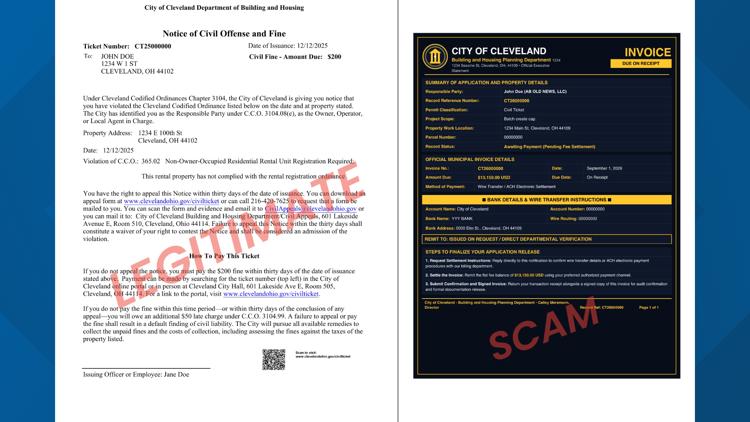
On a quiet morning in Cleveland, Maria Lopez sat at her kitchen table, her phone ringing unexpectedly. When she answered, a voice claiming to be from the city’s permit office began to ask for her personal information, saying it was urgent to process her construction permit. Maria’s heart raced as she listened, realizing this could be a scam. Moments later, she remembered hearing about recent warnings from local authorities about wire transfer frauds targeting residents and businesses alike. Her experience underscores a growing threat that’s sweeping through Cleveland — scammers exploiting the city’s permit system to deceive honest citizens.
The city of Cleveland has issued an alert after uncovering a sophisticated wire transfer scam that preys on residents and contractors seeking permits. According to city officials, fraudsters were able to contact individuals by exploiting vulnerabilities in the permit portal, which made accessible a list of phone numbers and email addresses. These details, intended for legitimate communication, inadvertently became tools for scammers to reach out with false claims or urgent requests for wire transfers. The scam typically involves the fraudsters posing as city officials, demanding payment for permits or fines through wire transfers, often threatening legal action if the victim does not comply.
City officials confirmed that the scammers' ability to access contact information was due to a loophole in the permit portal, which lacked robust security measures. The portal, designed to streamline permit applications, inadvertently exposed contact details that scammers have now leveraged. The scam has affected multiple residents and local businesses, creating a ripple of concern across Cleveland’s vibrant community. The city’s Department of Building and Housing is working closely with cybersecurity experts to tighten security and prevent further breaches.
The community’s response has been a mixture of alarm and resilience. Many Cleveland residents have shared their own close calls or fears of falling victim to the scam. Local business owner James Carter expressed his frustration: “It’s unsettling to think someone is out there pretending to be the city, especially when we’re just trying to do things by the book. We rely on these permits to grow our businesses and keep everything above board.” Community leaders and neighborhood associations have rallied around the issue, emphasizing the importance of vigilance and education.
Authorities urge residents to be cautious, especially when contacted unexpectedly about permits or payments. The city recommends verifying any communication directly through official channels, such as visiting the City of Cleveland official website or calling the main permit office. Never share personal or financial information over the phone unless you are absolutely sure of the caller’s identity. The scam serves as a stark reminder that scammers often use familiar names and trusted processes to deceive, making awareness and skepticism vital tools for safety.
Additionally, Cleveland residents should be aware of common signs of scam attempts: unprompted calls requesting urgent wire transfers, suspicious email addresses mimicking official ones, and threats of legal action or penalties if payments aren’t made immediately. It’s also recommended to never send money or provide personal information unless you have verified the legitimacy of the request through official city channels. Many local community organizations have begun distributing flyers and hosting informational sessions to educate residents about these tactics, recognizing that the more informed the community is, the less vulnerable it becomes.
In response, Cleveland’s city officials are taking proactive steps to prevent future scams. They are implementing enhanced security measures on the permit portal, including multi-factor authentication and restricted access to contact information. The city is also launching an awareness campaign to educate residents about common scam tactics and how to recognize them. This initiative aims to empower the community with knowledge, fostering a culture of caution and trust rooted in genuine communication with city officials.
Furthermore, Cleveland is collaborating with local law enforcement and cybersecurity experts to monitor for ongoing threats and respond swiftly to any new scams. The city’s commitment to safeguarding its residents reflects a broader effort to protect the integrity of local government services. As Cleveland continues to grow and modernize, maintaining the trust of its citizens remains a top priority. Staying informed and vigilant is the best defense against these malicious schemes, ensuring that Cleveland remains a safe and welcoming place for all.
Recognizing that technology alone cannot solve this problem, Cleveland has also initiated community outreach programs. These include workshops at neighborhood centers, online webinars, and partnerships with local nonprofits focused on consumer protection. The goal is to reach vulnerable populations, including seniors and non-native English speakers, who may be less familiar with digital security practices. Local leaders are emphasizing that community involvement is crucial in fighting scams, as residents who are well-informed are less likely to fall prey to fraudsters.
Local media outlets, including WKYC and Cleveland.com, have played a vital role in spreading awareness. Regular updates, community stories, and expert interviews help keep residents informed about the latest scams and security tips. These efforts are complemented by social media campaigns and community alerts, which provide real-time information and advice. As Cleveland’s community continues to rally around this issue, the media’s role in fostering transparency and education remains indispensable.
Looking ahead, residents are encouraged to stay connected with official updates through the city’s City of Cleveland official website and local news outlets. The community’s resilience, combined with proactive security measures, will be key in thwarting future scams. By working together, Cleveland can turn this challenge into an opportunity to strengthen trust and safeguard its families and businesses from deception and harm.
City officials have also indicated plans to review and overhaul the permit portal’s security features, possibly adopting more advanced encryption and user verification processes. They are also considering establishing a dedicated hotline for permit-related inquiries, where residents can verify the legitimacy of any communication they receive. These steps are part of a broader strategy to ensure that Cleveland’s digital infrastructure remains secure amid evolving cyber threats.
In the meantime, community leaders stress the importance of vigilance. They remind residents that no legitimate city official will demand urgent wire transfers over the phone without prior official communication. They encourage everyone to report suspicious activity to local authorities, helping law enforcement track and dismantle scam networks. The city’s ongoing efforts reflect a recognition that protecting its citizens from digital fraud is an ongoing battle that requires vigilance, cooperation, and continuous improvement.
As Cleveland continues to grow and modernize, its residents’ safety and trust remain paramount. With increased awareness, stronger security, and community engagement, Cleveland aims to stay one step ahead of scammers, ensuring that the city remains a safe, thriving place for families, entrepreneurs, and newcomers alike.
By Michelle Rivera

By Michelle Rivera

By Michelle Rivera
By Michelle Rivera